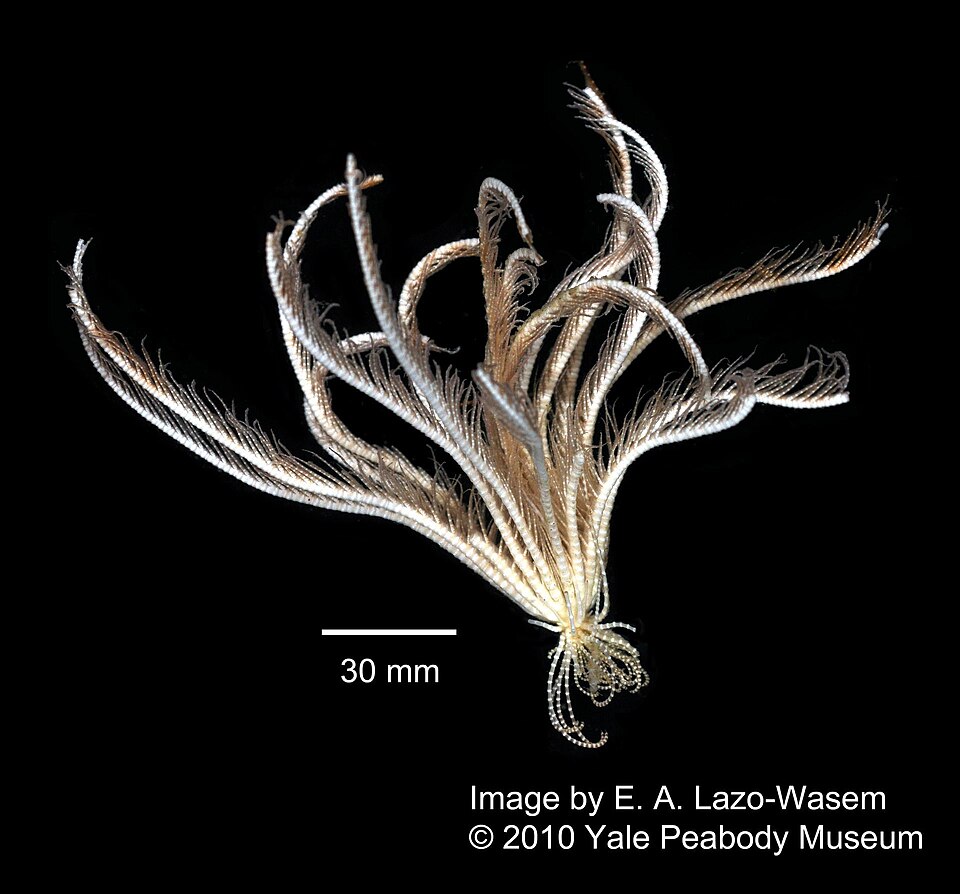
Evidence found
200 records across 6 countries and territories, 1873–2007.
Hathrometra tenella · GBIF taxon key 2274602
Hathrometra tenella occurrence evidence comes from 200 records in 6 countries and territories, from 1873 to 2007. Most records come from United States.
200 records across 6 countries and territories, 1873–2007.
Hathrometra tenella · GBIF taxon key 2274602
CC0 GBIF Animalia occurrence facets, including country, month and year summaries.
Refreshed 2026-09-24. Inspect the taxon on GBIF.
The species has been recorded in the listed places in the stated source universe. Peak month: September.
4 months reach at least 10% of the peak facet count.
repeated describes the record pattern, not a formal range, residency, abundance or conservation assessment.
A single record remains evidence of a recording, not proof that a population lives there.
Compare this animal’s observation pattern
Peak month: September. Records cluster in the months an animal is present and being looked for, so a summer peak can reflect observer effort as much as the animal.
Recording effort has risen steeply almost everywhere since the 1990s, so a rising line usually shows more observers rather than more animals.
The countries below show where occurrence evidence exists for Hathrometra tenella. They do not define a complete habitat range: survey effort differs by place, and historical or one-off records can appear alongside repeated presence.
| Place | Records | Share |
|---|---|---|
| United States | 134 | |
| Sweden | 44 | |
| Canada | 13 | |
| Faroe Islands | 3 | |
| United Kingdom | 2 | |
| Greenland | 1 |
Others in the family Antedonidae.