Where does the Phlebotomus longicuspis live?
Phlebotomus longicuspis has 3,668 records in 77 countries and territories, from 2004 to 2026. Most records come from Algeria.
- 3,668 records
- 77 places
- 14 years recorded
- Insecta class
AnimaliaArthropodaInsectaDipteraPsychodidaePhlebotomus
When it is recorded
JFMAMJJASOND
Peak month: April. Records cluster in the months an animal is present and being looked for, so a summer peak can reflect observer effort as much as the animal.
Where it is recorded
| Place | Records | Share |
|---|---|---|
| Algeria | 2,059 | |
| Morocco | 151 | |
| Italy | 107 | |
| France | 96 | |
| Sweden | 84 | |
| Türkiye | 81 | |
| Poland | 73 | |
| Russia | 60 | |
| Spain | 59 | |
| Greece | 52 | |
| Tunisia | 45 | |
| United Kingdom | 43 | |
| Romania | 42 | |
| Kazakhstan | 40 | |
| Germany | 38 | |
| Armenia | 35 | |
| Bulgaria | 28 | |
| Egypt | 27 | |
| Portugal | 26 | |
| Libya | 25 | |
| Serbia | 25 | |
| Ukraine | 25 | |
| Isle of Man | 23 | |
| Iceland | 23 | |
| Croatia | 21 | |
| Montenegro | 21 | |
| Uzbekistan | 21 | |
| Hungary | 20 | |
| Finland | 18 | |
| Palestine | 16 | |
| Norway | 15 | |
| Czechia | 14 | |
| Syria | 14 | |
| Guernsey | 13 | |
| Albania | 12 | |
| Georgia | 12 | |
| Jersey | 12 | |
| Jordan | 12 | |
| Netherlands | 12 | |
| Slovenia | 12 |
Showing the top 40 of 77 places.
Related animals
Others in the family Psychodidae.
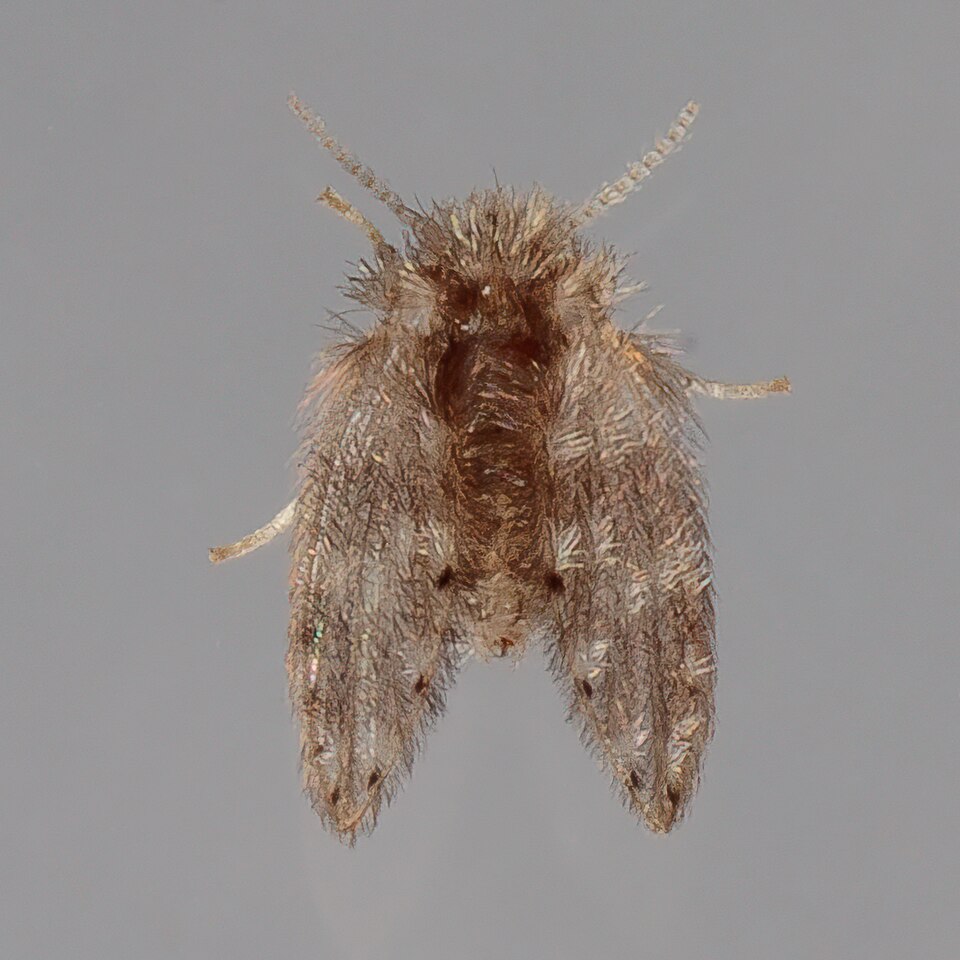
Moth Fly
9,485 records
Phlebotomus perniciosus
6,275 records
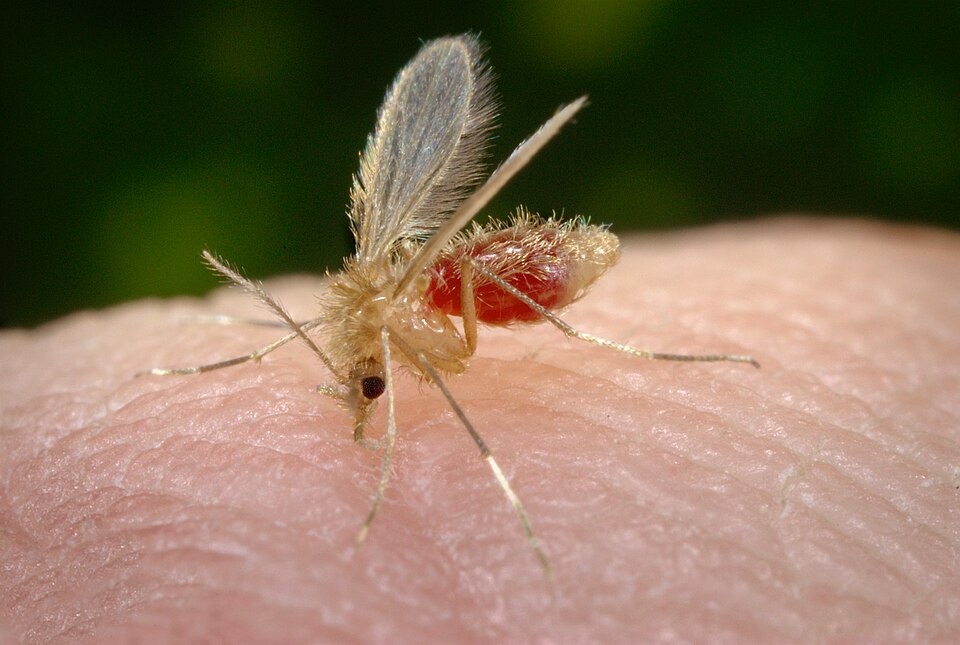
Phlebotomus papatasi
6,116 records
Phlebotomus perfiliewi
5,628 records
Phlebotomus neglectus
4,557 records
Sergentomyia minuta
3,868 records
Sergentomyia inermis
2,411 records
Sergentomyia africana
454 records
Status from the records: seasonal
Recorded repeatedly but only in part of the year — likely seasonal or migratory. This is inferred from how many years and months the animal appears in, not from a range map — treat it as evidence, not a formal assessment.
Recorded repeatedly but only in part of the year — likely seasonal or migratory. This is inferred from how many years and months the animal appears in, not from a range map — treat it as evidence, not a formal assessment.